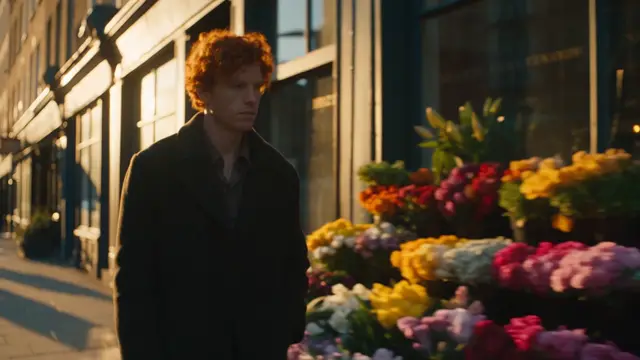
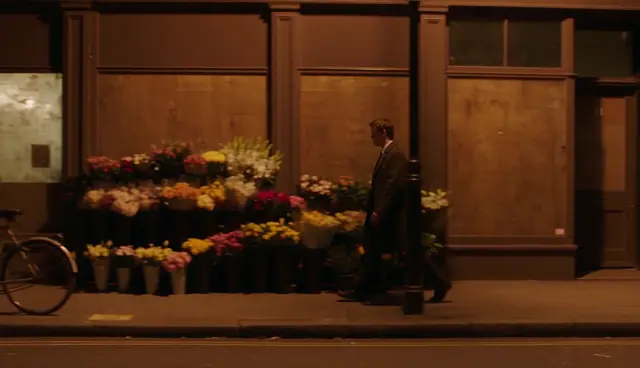
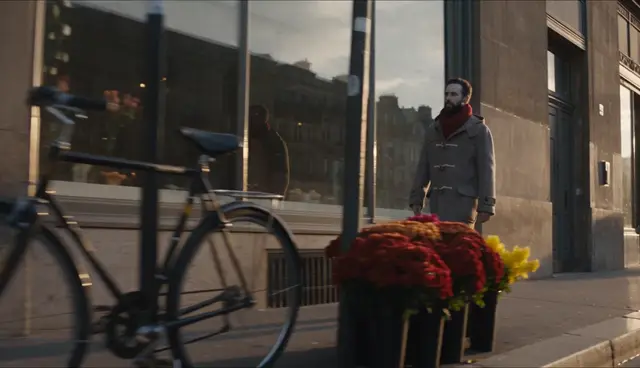
 12
跳漂白
低飽和、銀灰、高對比的色彩

雙色特藝彩色是只有鮭魚紅與藍綠兩色的 1920 年代末期色彩風格。
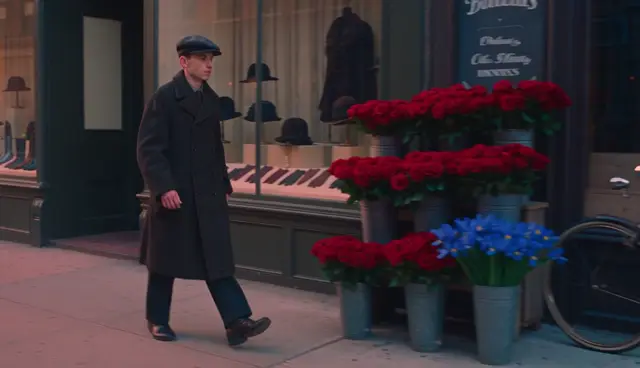 14
真人實拍、真實人物、自然的皮膚與質感,1920 年代末期的雙色特藝彩色風格:只有鮭魚紅和藍綠兩種色彩的有限色盤,藍色看起來是藍綠、黃色看起來是桃色,高光柔和發亮,顆粒細緻。傍晚時分的城市街道。一位穿深色羊毛大衣的年輕男子沿著人行道走過一排商店櫥窗,走向轉角一家小咖啡館。遠景,攝影機從第一秒起就以步行速度在他身側橫移跟拍。0–2s: 他走過一排商店櫥窗。2–4s: 他經過一個花攤和一輛停著的腳踏車。4–6s: 他走到咖啡館前,攝影機隨之緩緩停下。6–8s: 他推開咖啡館的門走進去。全程:色盤始終只有鮭魚紅和藍綠,高光柔和發亮,一鏡到底。
Live-action footage, real people, natural skin and textures, in a two-strip Technicolor look of the late 1920s: a limited two-colour palette of salmon reds and blue-greens, where blues read as teal and yellows read as peach, soft glowing highlights and fine grain. A city street in the late afternoon. A young man in a dark wool coat walks along the sidewalk past shop windows toward a small corner café. Wide shot, the camera tracking sideways beside him at walking pace from the first second. 0–2s: he walks past a row of shop windows. 2–4s: he passes a flower stall and a parked bicycle. 4–6s: he reaches the café and the camera eases to a stop as he does. 6–8s: he opens the café door and steps inside. Throughout: the palette stays limited to salmon reds and blue-greens with soft glowing highlights, one continuous take.
真人實拍、真實人物、自然的皮膚與質感,1920 年代末期的雙色特藝彩色風格:只有鮭魚紅和藍綠兩種色彩的有限色盤,藍色看起來是藍綠、黃色看起來是桃色,高光柔和發亮,顆粒細緻。
寫出缺少的顏色會變成什麼(藍變藍綠、黃變桃色)。用否定句如「沒有純藍」往往適得其反。