 H1
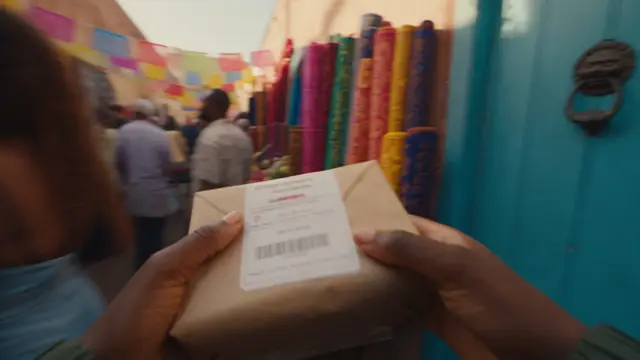
第一人稱視角
成為角色;發現、日常、恐懼

穿越物體是攝影機穿過窗戶或牆、進入另一空間的運鏡。用途:用一個運鏡連起兩個空間;俏皮的轉場。
 H4
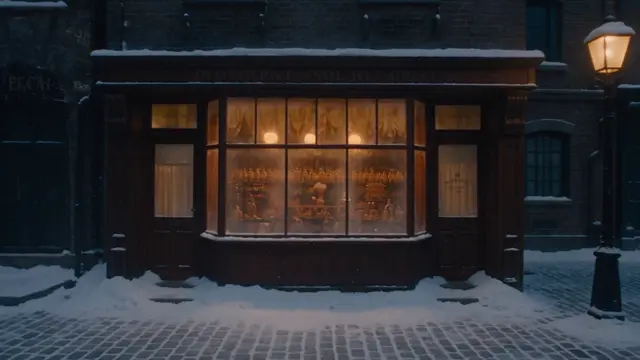
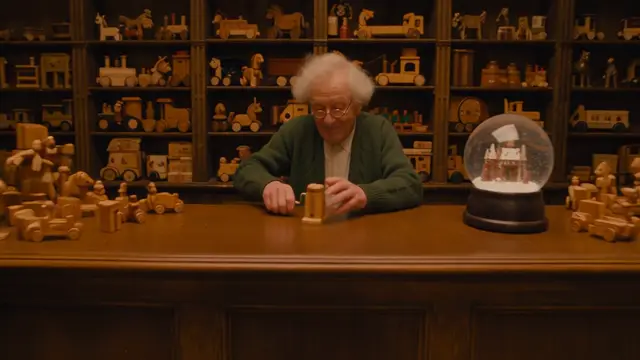
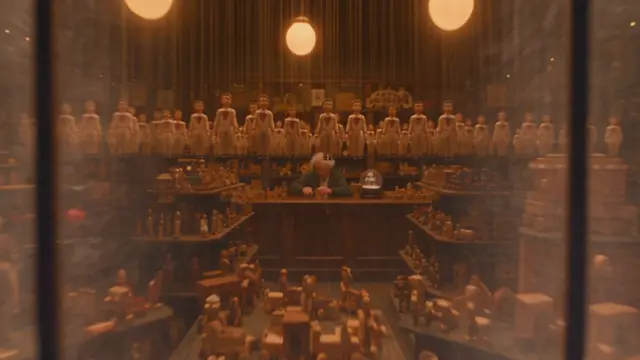
場景段落 下雪的冬夜裡一間老木造玩具店,寫實闔家電影,溫暖的金色光線。架上擠滿木製玩具,一排排提線木偶吊掛在長木櫃台上方,櫃台上放著一顆裝著小村莊的雪花球。一位白髮、戴圓框眼鏡、穿綠色開襟毛衣的老玩具匠在櫃台工作。結霜的店面窗外,雪落在路燈照亮的石板街上。以 35mm 底片拍攝的真人實拍影像,真實人物,自然的膚質與質感。
鏡頭從屋外下雪的街道開始,面對結霜的店面窗戶,裡面的玩具發著光,攝影機從第一秒起向前滑行。0–2s: 雪花落在發光的窗前。2–4s: 攝影機向前滑行,穿過玻璃。4–6s: 在店內飄過吊掛的提線木偶。6–8s: 抵達櫃台,玩具匠為一隻小木鳥上發條,木鳥拍著翅膀在櫃台上走。全程:一次平順地向前滑行穿過玻璃,一鏡到底。
Scene paragraph An old wooden toy shop on a snowy winter evening, photoreal family film with warm golden light. Shelves are crowded with wooden toys, rows of marionettes hang by their strings above a long wooden counter, and a snow globe holding a tiny village sits on the counter. An old toymaker with white hair, round glasses and a green cardigan works at the counter. Outside the frosted front window, snow falls on a lamplit cobbled street. Live-action footage shot on 35mm film, real people, natural skin and textures.
The shot opens outside on the snowy street facing the frosted shop window, toys glowing inside, the camera gliding forward from the first second. 0–2s: snow falls in front of the glowing window. 2–4s: the camera glides forward and passes through the glass. 4–6s: it floats inside past the hanging marionettes. 6–8s: it arrives at the counter, where the toymaker winds up a little wooden bird that flaps across the counter. Throughout: one smooth forward glide through the glass, one continuous take.
選一個能被穿過的表面:玻璃、窗戶、螢幕。把「穿過玻璃」單獨寫成一個節拍。
可搭配: 電視的光