 A1
推軌鏡頭・推近
把觀眾帶進角色的內心;建立重要性

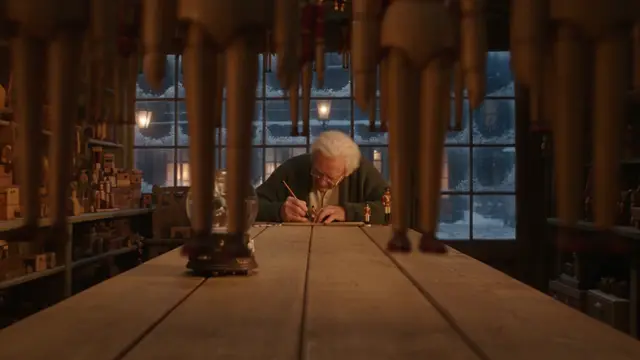
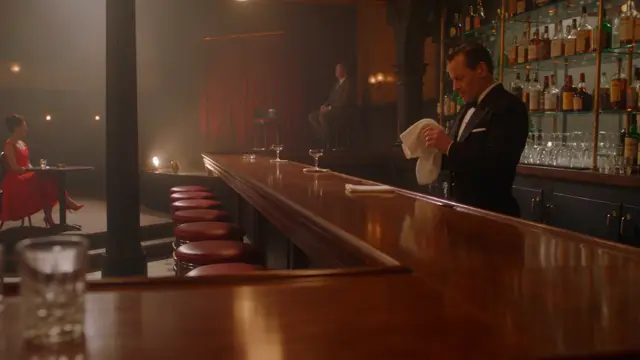
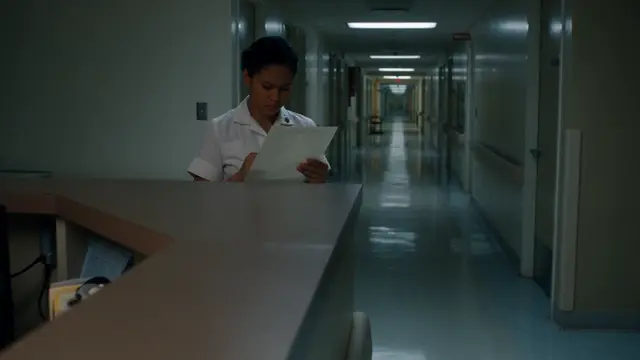
前景劃過是讓近物劃過畫面、遮住再揭開下一景的運鏡。用途:隱藏式揭示;段落之間的一道「布幕」。
 A3新增
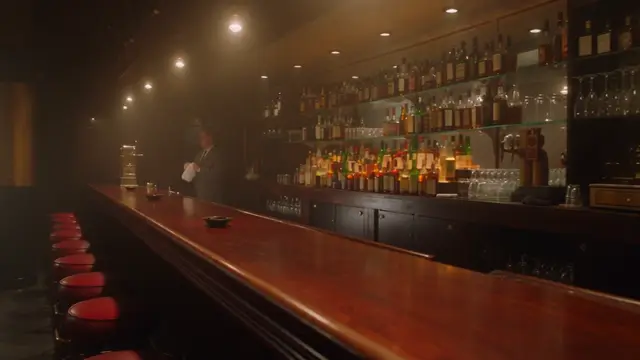
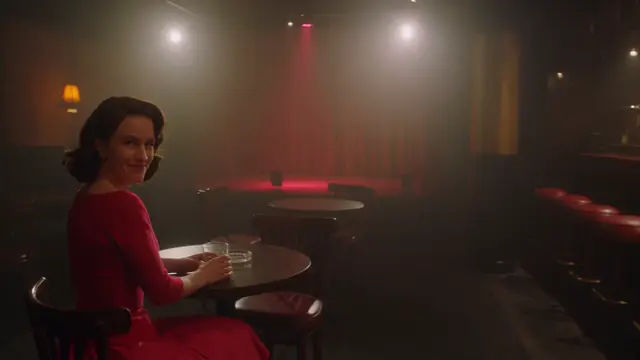
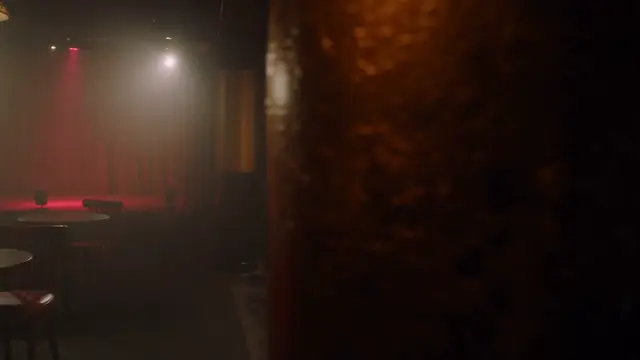
場景段落 1950 年代的夜間爵士酒吧,寫實年代劇,柯達底片顆粒。一張擦得發亮的長木吧台配紅色皮革高腳椅延伸進室內,吧台後方鏡面酒架上的酒瓶閃著光,穿白色外套的酒保正在擦杯子。吧台左側有小圓桌、一根深色木柱,以及一座掛著紅色布幕、打著暖色聚光燈的小舞台,一位穿紅洋裝的女子獨自坐在桌邊。吧台最右端,一位穿灰西裝的薩克斯風手坐在高腳椅上等候。溫暖的琥珀色光線與煙霧。
鏡頭從靠近舞台、空著的吧台一端開始,深色木柱就立在攝影機正前方,攝影機架在軌道車上從第一秒起朝畫面左方橫移。0–2s: 沿著吧台開始移動。2–4s: 木柱貼近鏡頭經過,整個畫面變暗。4–6s: 木柱移出畫面。6–8s: 揭示坐在桌邊的紅洋裝女子,她轉向鏡頭,慢慢露出微笑。全程:橫向移動、鏡頭方向不變,一鏡到底。
Scene paragraph A 1950s jazz lounge at night, photoreal period drama, Kodak film grain. A long polished wooden bar with red leather stools runs into the room, bottles glowing on mirrored shelves behind it, a bartender in a white jacket polishing a glass. To the left of the bar are small round tables, a dark wooden column and a small stage with a red curtain under warm spotlights, where a woman in a red dress sits alone at a table. At the far right end of the bar a saxophonist in a grey suit waits on a stool. Warm amber light and haze.
The shot opens on the empty end of the bar near the stage, with the dark wooden column standing just in front of the camera, the camera on a dolly track travelling sideways toward screen left from the first second. 0–2s: the travel begins along the bar. 2–4s: the column passes close to the lens and fills the whole frame dark. 4–6s: the column clears the frame. 6–8s: it reveals the woman in the red dress at her table, who turns toward the lens with a slow smile. Throughout: sideways travel with the lens pointing the same way, one continuous take.
讓畫面完全黑一拍。「柱子填滿整個畫面」能把橫移變成一道布幕。(剪輯裡的「劃接」,在鏡頭內完成。)